
What is Tendinopathy and How is it Treated?
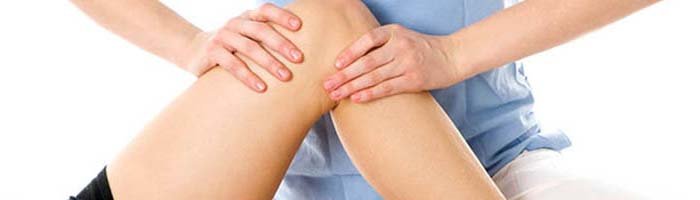
Tendinopathy is an umbrella term used to describe a range of chronic tendon injuries such as tendinitis, tendinosis and tenosynovitis. In recent years, tendon injuries have started to be called tendinopathy.
Tendons are collagenous, rope like structures which attach muscles to bones. When these structures are placed under excess load and stress it can cause damage and degeneration to the tendons. If this increase in demand is gradual and the tendon tissues are given time to heal, over time they will build in strength and adapt to new loads. However, if the activity is repeated regularly without recovery time it can cause microscopic tears in the tendon and lead to a chronic tendon injury.
Tendinopathy can occur in any tendon within the body but is most commonly found in the wrist, elbow, shoulder, knee and heel. These type of injuries will require patience as well as physiotherapy and activity modification. This can alter the load on the tendon to recover fully as they don't heal as quickly as muscles.
The Risk Factors of Tendinopathy
There are a number of risk factors that can lead to the development of tendinopathy. The most common factors include repetitive motion, medication, diabetes, body weight and genetics. The warning signs of tendinopathy include burning, stinging, aching and sometimes swelling.
Tendinopathy can result from long hours of repetitive motions and activities. Examples of activities are playing sports, using computers, playing musical instruments and doing manual labor. If you work in an occupation with repetitive motions, you can develop tendinopathy over time. Tendinopathy is often found in individuals who work in IT, construction, professional athletes, writers and musicians.
Tendinopathy has been linked to be caused by certain medications. If you have recently started taking new medication and begin to start experiencing pain, stiffness, and loss of strength in a particular area ask your doctor to rule out tendinopathy.
While more research is needed in linking genetic factors to the development of chronic tendon injuries, it has been found that those who are overweight. Also, those whohave diabetes are also at risk. You should improve your diet, control your blood sugar levels and maintain your body weight to eliminate your risk of tendinpathy.
Tendionpathy Treatment?
Initial treatment focuses on the RICE (rest, ice, compression, elevation) principles. Once you feel the onset of pain in the affected area begin by resting. You should also apply ice packs to the area. If after 72 hours, the pain starts getting worse and begins to affect daily activities, go and see your physiotherapist.
Your physiotherapist will first assess your injury, and then decide the most appropriate treatment to manage your pain. This may include soft tissue massage, dry needling, joint mobilisation and taping. Physiotherapist recommend that you ice the area where you tendon injury is inflamed. You might also take anti-inflammatory medication before physiotherapy treatment can take place. To prevent stiffness from occurring, you should work on strength and range of motion.

Physiotherapy
We specialise in the treatment and prevention of injuries and conditions. If you are suffering with any health aliments that you feel we could help you with, get in touch today. We provide treatment for a wide age range from 9 years to 90 years old.